 Francesco Chiaramonte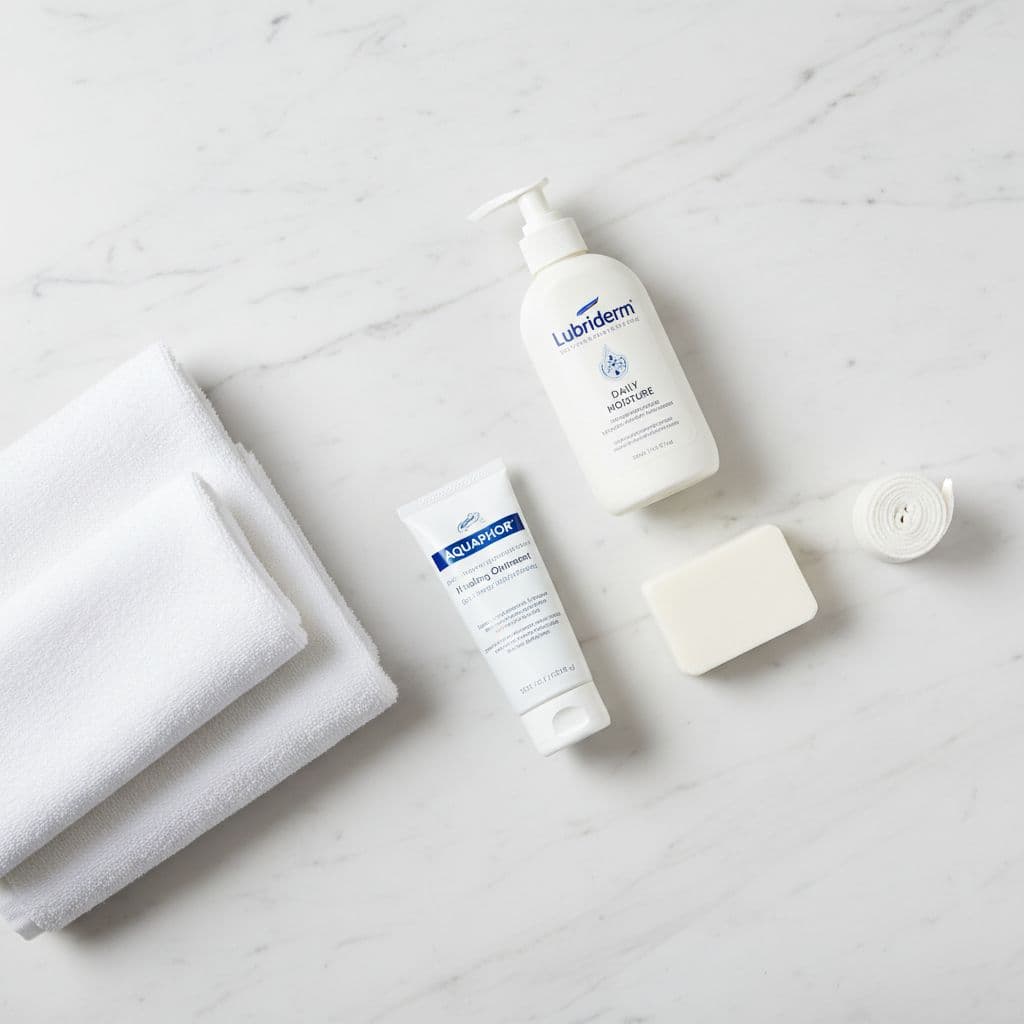
You just got your dream tattoo. The artist packed up their equipment, you paid, and now you're staring at the bandage wondering: what do I do now?
Proper aftercare isn't just about avoiding infection—it's the difference between a tattoo that looks crisp and vibrant for decades versus one that fades, blurs, or heals poorly. I've talked to dozens of professional tattoo artists about their aftercare recommendations, and the advice is surprisingly consistent.
This guide walks you through exactly what to do from the moment you leave the shop through full healing, with specific day-by-day instructions. If you're still deciding where your tattoo should go, read our tattoo placement guide first since placement affects friction, sun exposure, and healing time.
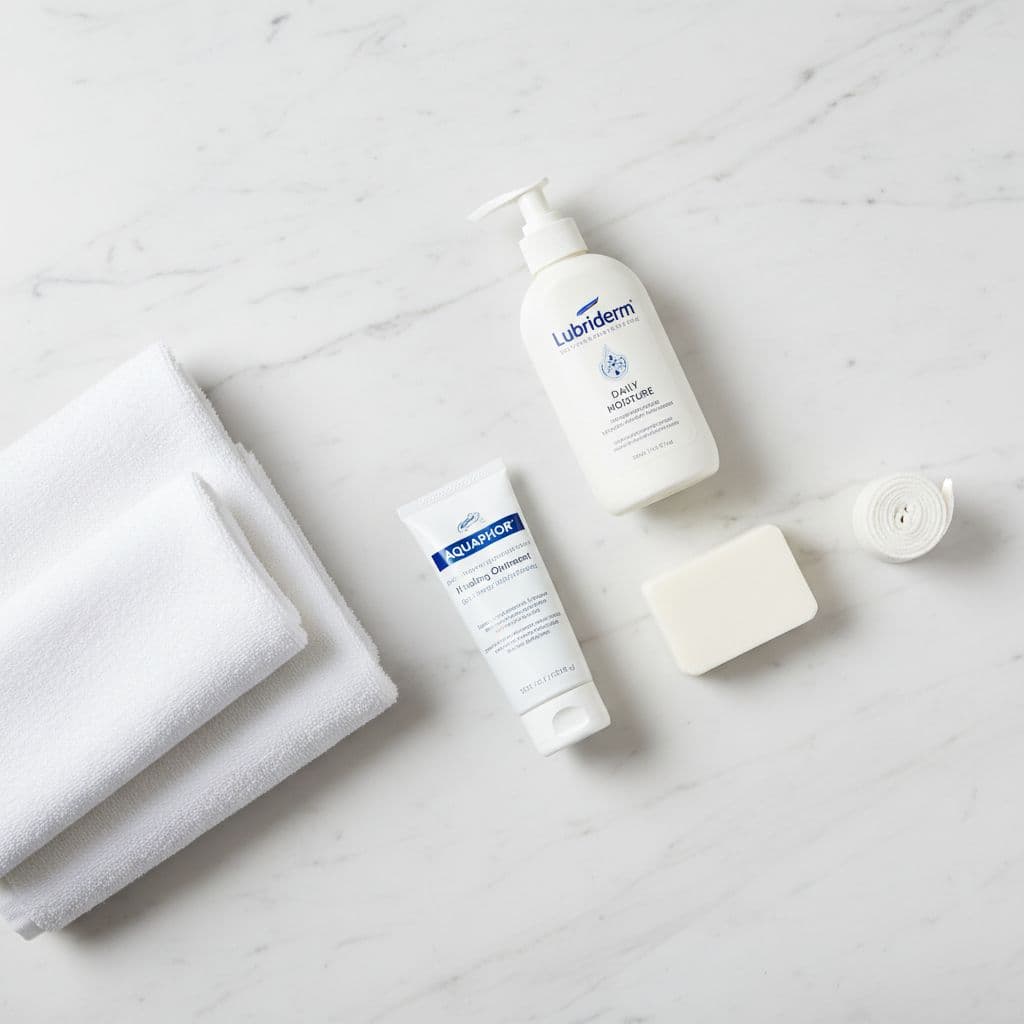 Fresh tattoo with aftercare products
The First 24 Hours: Critical Foundation
Your tattoo is essentially an open wound filled with ink. Those first 24 hours set the stage for everything that follows.
Leaving the Shop
Your artist will bandage your tattoo one of two ways:
Traditional Bandage (plastic wrap or adhesive bandage):
- Keep on for 2-6 hours, or overnight if applied before bed
- This is a sterile barrier protecting against bacteria
Second-Skin/Transparent Film (Saniderm, Tegaderm, etc.):
- Can stay on 3-5 days
- Creates a sealed, moist healing environment
- Don't panic if plasma and ink pool underneath—it's normal
First Cleaning (After Removing Bandage)
When it's time to remove the bandage:
- Wash your hands thoroughly—this is your new religion for the next few weeks
- Remove bandage slowly under lukewarm water if it's sticking
- Use fragrance-free soap (Dial, Dove unscented, or tattoo-specific soap)
- Wash gently with fingertips—no washcloths, sponges, or scrubbing
- Rinse thoroughly—soap residue irritates healing skin
- Pat dry with paper towel—regular towels harbor bacteria
What you'll see: The tattoo will look slightly dull, and there might be plasma (clear/yellowish fluid) or excess ink coming off. This is completely normal.
First Night
- Sleep on clean sheets—tonight's the night to use fresh bedding
- Avoid sleeping on the tattoo if possible
- Wear loose, clean clothing that won't stick to the tattoo
- Don't re-bandage unless instructed by your artist
If you're worried about sticking to sheets, a thin layer of recommended ointment helps, but don't overdo it.
 Tattoo bandage wrapping
Days 2-3: The "Ooze Phase"
Your tattoo will weep plasma and excess ink. This is the inflammatory healing response kicking in.
Daily Routine
Morning:
- Wash hands
- Gentle wash with unscented soap
- Pat dry
- Thin layer of aftercare ointment
Evening:
- Repeat washing
- Pat dry
- Thin layer of ointment
Throughout the day:
- Wash if the tattoo gets dirty, sweaty, or touched
- Keep it clean and slightly moist—not wet, not dry
What to Apply
Recommended ointments (first 3-5 days):
- Aquaphor (most common recommendation)
- A+D Ointment
- Tattoo Goo
- Hustle Butter (if recommended by artist)
How much: Thin layer—just enough to make it slightly shiny. If it's greasy or sliding around, you've used too much.
What You'll Notice
- Tattoo looks less vibrant than day one
- Some redness around the edges
- Slight warmth (not hot)
- Possible plasma/ink on sheets or clothes
Red flags: Increasing pain, spreading redness, hot to touch, yellow/green discharge, fever—these mean infection. Contact your artist or doctor immediately.
 Washing and cleaning tattoo
Days 4-6: The Peeling Begins
This is when most people panic. Your tattoo will start flaking and peeling like a sunburn. This is completely normal and expected.
What's Happening
Your body is shedding damaged skin cells and replacing them with new ones. The ink sits deeper in the dermis, so even as the surface peels, your tattoo remains.
Critical Rules
DO NOT:
- Pick, scratch, or peel flaking skin
- Let scabs form and get knocked off
- Use abrasive washcloths
- Soak the tattoo (baths, pools, hot tubs)
- Expose to direct sunlight
DO:
- Keep washing gently 2-3 times daily
- Switch from ointment to lotion as peeling starts
- Let skin flake off naturally
- Wear loose clothing
- Stay patient
Switching to Lotion
As peeling begins, most artists recommend switching from heavy ointment to lighter lotion:
Recommended lotions:
- Lubriderm unscented
- Cetaphil
- Eucerin
- Aveeno unscented
- Tattoo-specific lotions (After Inked, Tattoo Goo lotion)
Why the switch: Ointment creates a barrier that can trap bacteria once the initial sealing phase passes. Lotion keeps the tattoo hydrated without suffocating it.
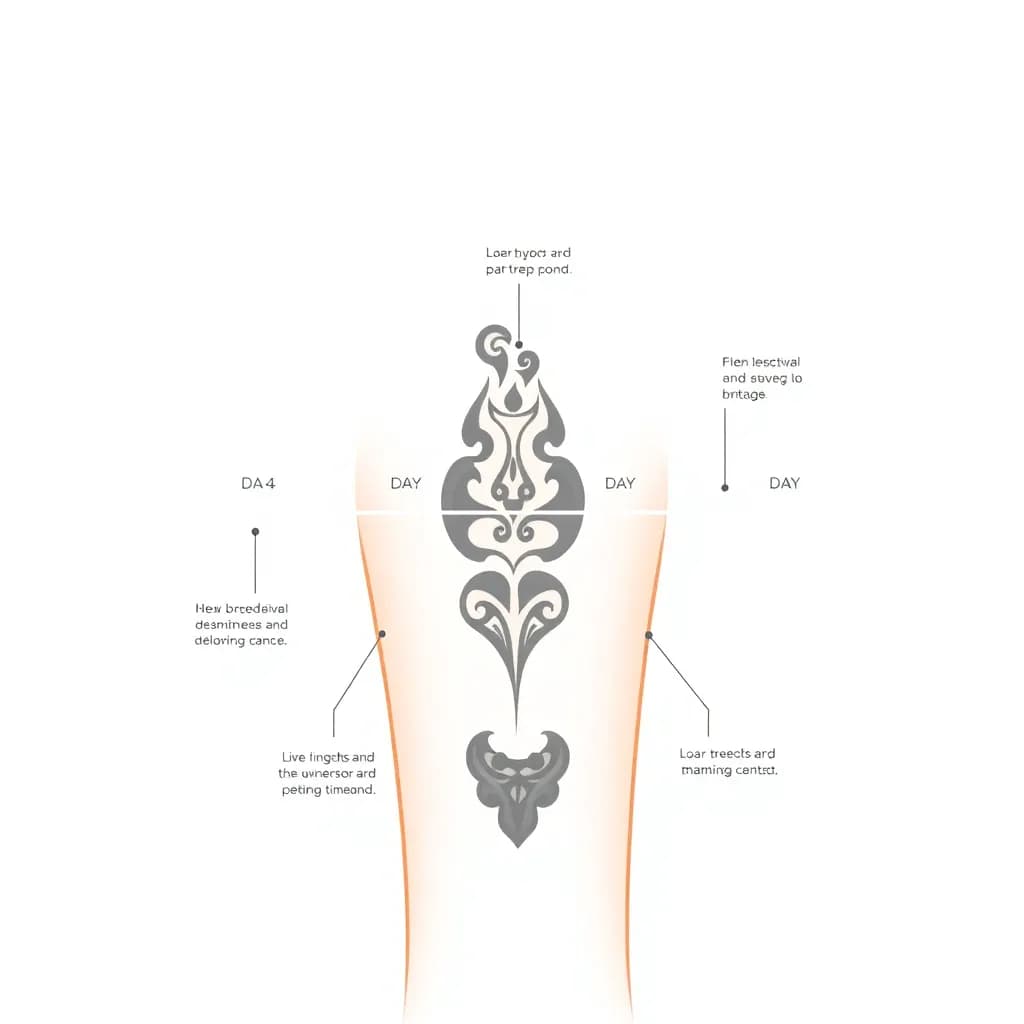 Tattoo peeling phase
Days 7-14: Active Peeling & Scabbing
The heaviest peeling typically happens in week two. This is the ugliest phase—your tattoo will look patchy, flaky, and possibly scabby.
What to Expect
- Large flakes of skin coming off
- Itching (sometimes intense)
- Tattoo looks dull or "milky"
- Possible light scabbing in heavily shaded areas
Managing Itch
An itchy tattoo is a healing tattoo, but scratching can ruin the ink:
Safe itch relief:
- Slap the area lightly (don't scratch)
- Apply cool compress (clean cloth, brief contact)
- Moisturize more frequently
- Take an antihistamine if recommended by your doctor
- Distract yourself—itching peaks and passes
Washing During Heavy Peel
Continue washing 2-3 times daily, but be extra gentle. Don't rub at peeling skin—let water run over it and pat carefully. Loose flakes will come off naturally; attached ones should stay.
Scab Care
If scabs form (usually in heavily shaded or colored areas):
- Never pick them
- Keep them slightly moisturized
- Let them fall off naturally
- If a scab gets knocked off accidentally, clean gently and moisturize
- Scabs pulling off early can cause "holidays" (light spots) that need touching up
 Tattoo scab healing
Days 14-30: The "Milky" Phase
By week three, most peeling has stopped. Your tattoo now looks cloudy or milky—like it's behind frosted glass.
What's Happening
The top layer of skin has healed, but deeper layers are still remodeling. This "milky veil" is new skin that's still maturing and settling.
Adjusting Care
- Continue washing daily
- Moisturize 1-2 times daily or when dry
- The tattoo may feel tight or dry—normal
- Still no soaking, swimming, or sun exposure
When You Think You're Healed
Even if it looks fine on the surface, a tattoo takes 4-6 weeks to fully heal internally. The ink settles, the skin strengthens, and the final vibrancy emerges.
Long-Term Tattoo Care: Keeping Ink Vibrant
After the initial healing, your relationship with your tattoo changes—but doesn't end.
Sun Protection (Critical)
UV radiation is the #1 enemy of tattoo longevity:
- Always apply SPF 50+ when your tattoo will be exposed
- Reapply every 2 hours of sun exposure
- New tattoos: Keep completely out of sun for first month
- Over time: Sun fades all tattoos—protection preserves them
Think of sunblock as an investment in your tattoo's appearance over decades.
Moisturizing Routine
Healthy, hydrated skin shows ink better:
- Daily lotion on tattooed areas
- More frequent moisturizing in dry climates or winter
- Don't let tattoos get chronically dry and ashy
Avoiding Damage
- No picking at dry skin—ever
- Weight fluctuations: Large changes can distort tattoos, especially on stomach, thighs, arms
- Exfoliation: Be gentle; harsh scrubs fade ink over time
If you're planning a larger project, our tattoo sleeve planning guide helps you think through placement, spacing, and long-term cohesion before you commit.
Touch-Ups
Even with perfect care, some tattoos need refreshing:
- Timeline: 5-10 years for most, sooner for high-friction areas (hands, feet)
- Cost: Usually less than original, many artists offer free/discounted touch-ups for their work (see our tattoo cost guide for realistic pricing ranges)
- Signs you need one: Fading, blurred lines, patchy color, "holidays" from healing issues
 Healed vibrant tattoo
What to Avoid During Healing
The Complete "Don't" List
| Activity | How Long to Avoid | Why |
|---|---|---|
| Swimming pools | 4-6 weeks | Chlorine dries and irritates; infection risk |
| Hot tubs/saunas | 4-6 weeks | Bacteria paradise; excessive moisture |
| Ocean/lakes | 4-6 weeks | Bacteria, salt irritation |
| Sun exposure | 4 weeks (then SPF always) | Fades ink, damages healing skin |
| Picking/scratching | Until fully healed | Removes ink, causes scarring |
| Tight clothing | 2-3 weeks | Irritation, sticking, bacteria trapping |
| Gym/excessive sweating | 1-2 weeks | Bacteria, irritation, friction |
| Submerging in bath | 4 weeks | Soaking damages healing tissue |
| Pet hair contact | 1-2 weeks | Bacteria, dander irritation |
| Alcohol (excessive) | First week | Thins blood, affects healing |
Specific Activity Guidance
Working out:
- Light exercise after 3-4 days if tattoo isn't rubbed or stretched
- Avoid direct contact with gym equipment on fresh tattoo
- Shower immediately after sweating
- Skip workouts that directly stress the tattooed area for 1-2 weeks
Sleeping:
- First few nights: sleep on opposite side if possible
- Use clean, soft sheets
- Loose clothing or none over the tattoo
- Accept that some plasma/ink on sheets is normal
Clothing:
- Loose, breathable fabrics (cotton ideal)
- Avoid tight waistbands on fresh stomach tattoos
- Watch for bra straps on shoulder/back pieces
- White or old clothes first week (ink stains)
Aftercare Products: What Actually Works
Soaps
Recommended:
- Dial antibacterial (unscented)
- Dove sensitive skin
- Dr. Bronner's unscented (diluted)
- Tattoo-specific: Tattoo Goo Deep Cleansing Soap
Avoid:
- Fragranced soaps
- Exfoliating scrubs
- Harsh antibacterial (can be too drying)
Ointments (Days 1-5)
Top picks:
- Aquaphor: Most widely recommended, affordable, effective
- A+D: Classic choice, slightly thinner than Aquaphor
- Hustle Butter: Popular natural option
- Tattoo Goo: Tattoo-specific formulation
Avoid:
- Petroleum jelly alone (too thick, no healing properties)
- Neosporin (can cause allergic reactions)
- Fragranced products
- Sunscreen on fresh tattoos (chemicals irritate)
Lotions (Day 5+)
Best options:
- Lubriderm unscented: Lightweight, affordable
- Cetaphil: Gentle, good for sensitive skin
- Aveeno unscented: Oat-based, soothing
- After Inked: Tattoo-specific, popular
- Tattoo Goo lotion: Designed for healing ink
What to look for:
- Unscented/fragrance-free
- No petroleum (can clog pores in later healing)
- No alcohol
- Simple ingredient lists
Signs of Infection vs. Normal Healing
Knowing the difference between normal healing and infection can save your tattoo and your health.
Normal Healing Signs
- Mild redness (stays close to tattoo edges)
- Slight warmth
- Clear or slightly yellow plasma
- Peeling and flaking
- Mild itching
- Tattoo looking dull during healing
Infection Warning Signs
Contact your artist or doctor immediately if you see:
- Increasing pain after day 2-3
- Redness spreading outward from tattoo
- Tattoo hot to touch (vs. slightly warm)
- Thick, yellow/green pus or discharge
- Foul odor
- Fever or chills
- Red streaks extending from tattoo
- Swelling that worsens after day 3
Don't panic over:
- Small scabs
- Peeling skin
- Mild redness close to tattoo
- Clear plasma
Do seek help for:
- Any sign of spreading infection
- Severe pain
- Fever
- Rapidly worsening symptoms
Frequently Asked Questions
How long does a tattoo take to heal?
Surface healing: 2-4 weeks (when skin looks normal) Full healing: 4-6 weeks (when ink is fully settled) Complete dermal healing: Up to 3 months (internally)
Can I workout with a new tattoo?
Light exercise after 3-4 days if you can avoid sweating directly on the tattoo and prevent rubbing/friction. Skip heavy workouts that stress the tattooed area for 1-2 weeks. Always shower immediately after.
When can I swim after a tattoo?
Wait 4-6 weeks minimum. Pools, hot tubs, lakes, and oceans all pose infection risks and can damage healing tattoos. Quick showers are fine; soaking is not.
Why is my tattoo peeling?
Peeling is normal skin regeneration. Your body sheds damaged surface cells and replaces them with new ones. The ink sits below this layer, so peeling doesn't remove your tattoo—unless you pick at it.
Can I put sunscreen on a fresh tattoo?
No—wait until fully healed (4+ weeks). Then use SPF 50+ always. On fresh tattoos, keep them covered or out of sun completely.
What if my tattoo scabs?
Some scabbing is normal, especially in heavily shaded areas. Never pick scabs—let them fall naturally. Keep slightly moisturized. If scabs are thick or widespread, contact your artist.
Is it normal for my tattoo to itch?
Yes—itching is a sign of healing. Resist scratching. Slap the area, apply cool compress, or take an antihistamine if needed.
When can I stop washing my tattoo?
Continue gentle washing for at least 2-3 weeks, then normal showering. Don't go back to harsh scrubbing or exfoliating for 4-6 weeks.
Can I use coconut oil on my tattoo?
Some artists approve after initial healing (day 5+), but pure coconut oil can clog pores. Use sparingly if at all, and switch to proper lotion for daily care.
What if my tattoo looks faded after peeling?
Tattoos often look dull or milky during healing. The true vibrancy returns once fully healed (4-6 weeks). If still faded after that, you may need a touch-up.
Conclusion
Tattoo aftercare isn't complicated, but it requires consistency and patience. The basics:
- Keep it clean—wash gently 2-3 times daily
- Keep it moist—ointment first, then lotion
- Don't pick or scratch—let it heal naturally
- Avoid soaking and sun—4-6 weeks minimum
- Watch for infection—know the warning signs
A tattoo is a lifetime investment. Spending 2-4 weeks on proper aftercare protects that investment for decades.
Your artist gave you art that will last forever. Take care of it accordingly.
Planning your next tattoo? Use our AI Tattoo Generator to explore ideas, try our how to try a tattoo before getting inked guide, and estimate budget with our why tattoos are so expensive breakdown.