 Francesco Chiaramonte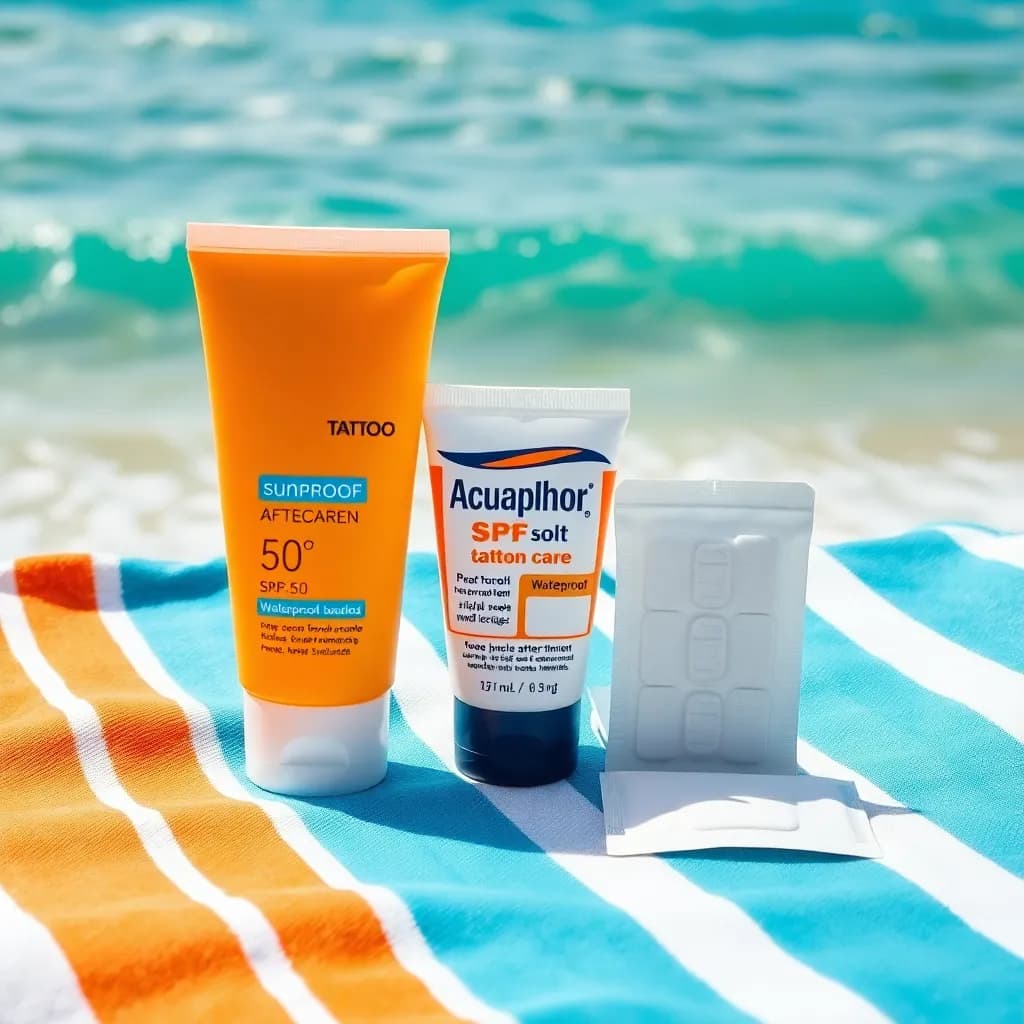
You just got an amazing new tattoo, and now summer vacation—or your friend's pool party—is calling your name. The question on your mind: Can I swim with a new tattoo? The short answer is no, not immediately. But the full answer is more nuanced than a simple waiting period.
Understanding when and how you can return to swimming isn't just about following rules—it's about protecting your investment and ensuring your tattoo heals beautifully. Submerge a fresh tattoo too soon, and you risk infection, ink loss, and permanent damage to the design you carefully chose.
This guide breaks down exactly when you can swim after a tattoo, what happens if you ignore the timeline, and how to protect your ink around water during the healing process.
Why Water and Fresh Tattoos Don't Mix
A new tattoo is essentially an open wound filled with ink. During the healing process, your skin is creating a protective barrier over that ink. Water exposure interrupts this critical healing phase in several ways:
Infection Risk
Swimming pools contain chlorine and countless bacteria from other swimmers. Oceans and lakes harbor even more microorganisms. When your tattoo is fresh, these contaminants can enter through the compromised skin barrier, causing infections that may require medical treatment and damage your tattoo.
Ink Loss and Fading
Water—especially chlorinated pool water and salt water—can draw ink out of your skin before it has properly settled. This leads to patchy healing, faded areas, and the need for touch-ups that could have been avoided.
Prolonged Healing
Moisture softens the scabs and peeling skin that form during healing. When these soften and fall off prematurely, they take healing ink with them, extending the recovery time and compromising the final result.
If you're still planning your tattoo, check out our tattoo placement guide to choose a location that works with your lifestyle and water activities.
The Swimming Timeline: When Can You Get Back in the Water?
The waiting period depends on several factors, including tattoo size, location, and how quickly you heal. Here's the breakdown:
Swimming Pools: 2-4 Weeks Minimum
Why the wait: Chlorine is harsh on healing skin and can cause irritation, dryness, and ink fading. Pools also harbor bacteria despite chlorination.
Conservative approach: Wait 4 weeks to ensure complete epidermal healing.
Faster healing (small tattoos): Some people with small, simple tattoos can swim after 2-3 weeks if healing has progressed well and scabbing has finished.
Ocean/Salt Water: 3-4 Weeks Minimum
Why longer than pools: Salt water is extremely drying and irritating to healing skin. Ocean water also contains sand, bacteria, and other contaminants.
The risk: Salt can severely dehydrate healing tissue, causing cracking, delayed healing, and significant ink loss.
Lakes, Rivers, and Hot Tubs: 4+ Weeks
Why the longest wait: Fresh water bodies contain the highest levels of bacteria, algae, and parasites. Hot tubs are particularly dangerous due to warm temperatures that promote bacterial growth.
Recommendation: Wait a full month minimum, ideally 6 weeks, before submerging in natural bodies of water or hot tubs.
Baths vs. Showers: The Critical Difference
Showers: Safe immediately with proper technique (see below).
Baths/Submersion: Avoid for 2-3 weeks. Soaking a tattoo softens scabs prematurely and increases infection risk.
Showering With a New Tattoo: The Right Way
While you must avoid submersion, showering is not only safe but essential for proper hygiene during healing. Here's how to do it correctly:
Shower Guidelines
- Wait 24 hours after getting tattooed before the first shower (follow your artist's specific instructions)
- Use lukewarm water—hot water increases bleeding and irritation
- Keep it brief—5-10 minutes maximum
- Let water run over the tattoo—don't direct high-pressure spray directly on it
- Use fragrance-free soap—gently clean with mild, unscented cleanser
- Pat dry immediately—use a clean paper towel, don't rub
- Apply aftercare ointment—within a few minutes of drying
What to Avoid in the Shower
- Direct spray: Don't aim the showerhead directly at your tattoo
- Hot water: It opens pores and can push out ink
- Loofahs/washcloths: Too abrasive for healing skin
- Soaking: Don't let water pool over the tattoo
For a complete day-by-day healing routine, see our tattoo aftercare complete guide.
Protecting Your Tattoo Near Water Before You're Cleared to Swim
Life doesn't stop because you got a tattoo. Here's how to handle water exposure during the healing period:
Beach Days Without Swimming
You can still enjoy the beach while healing:
- Keep it covered: Use loose, breathable clothing or a waterproof bandage
- Stay shaded: UV rays damage healing tattoos—use SPF 50+ once cleared by your artist
- Avoid sand contact: Sand is abrasive and can cause infection
- Rinse immediately: If salt spray or sand touches the tattoo, rinse with clean water
Poolside Without Dipping
- Elevate if possible: Keep the tattoo above water level when sitting poolside
- Cover when necessary: Use a waterproof medical bandage if splashing is likely
- Change the bandage: Remove and clean the tattoo promptly after any water exposure
Waterproof Bandages: Do They Work?
Products like Tegaderm and Saniderm can provide short-term water protection:
- Effective for: Showers, brief splashes, rain
- Not effective for: Swimming, submersion, extended water exposure
- Important: Always follow your artist's guidance on waterproof bandages
Signs You've Swum Too Soon
If you ignored the timeline and submerged your fresh tattoo, watch for these warning signs:
Immediate Warning Signs
- Increased redness spreading beyond the tattoo
- Warmth around the tattooed area
- Pus or cloudy discharge
- Severe itching or burning sensation
- Softening of scabs or skin
Infection Indicators
- Fever or chills
- Red streaks extending from the tattoo
- Swelling that worsens after 48 hours
- Foul odor from the tattoo
If you notice these signs: Clean the tattoo immediately with mild soap and water, apply aftercare ointment, and contact your artist. If infection signs are present, see a doctor promptly.
For detailed infection information, read our guide on tattoo infection signs.
What Happens If You Swim With a Fresh Tattoo?
Understanding the consequences helps motivate patience:
Short-Term Effects
- Stinging and burning during and after swimming
- Increased redness and irritation
- Softened scabs that may fall off prematurely
- Dry, tight skin from chlorine or salt exposure
Long-Term Damage
- Patchy healing with uneven color saturation
- Premature fading requiring earlier touch-ups
- Permanent scarring from infection or improper healing
- Blurred lines where ink has bled or been drawn out
Touch-Up Reality
Most artists offer free or discounted touch-ups within a specific timeframe (usually 3-6 months). However, touch-ups needed due to client negligence—like swimming too soon—may not be covered. Learn more in our tattoo touch-ups guide.
Special Circumstances and Exceptions
Can You Swim With Second Skin On?
Second-skin dressings like Saniderm create a waterproof barrier, but they're not invincible:
- Short exposure: Brief water contact is usually fine
- Extended swimming: Not recommended—even waterproof dressings can leak or lift at edges
- Artist guidance: Follow your artist's specific instructions for your tattoo
Tattoo Location Considerations
Some placements face more water exposure challenges:
High-risk for water exposure:
- Hands and fingers (constant washing)
- Feet (shower water pooling)
- Lower back/buttocks (sitting in water)
Easier to protect:
- Upper arms and shoulders
- Chest and upper back
- Thighs (above water line in baths)
Exercise and Sweat
Sweat is different from swimming but still requires caution:
- Light sweating: Generally fine after 3-5 days
- Heavy workouts: Wait 1-2 weeks to avoid excessive moisture and friction
- Swimming workouts: Follow the full timeline above regardless of fitness level
For workout-specific guidance, our guide on how to sleep with a new tattoo includes tips for managing sweat and friction during healing.
The Complete Post-Swimming Care Routine
Once you've reached the appropriate timeline and are cleared to swim, follow this routine to protect your healed tattoo:
Immediately After Swimming
- Rinse with fresh water—remove chlorine, salt, or lake water
- Gentle cleanse—use mild, fragrance-free soap
- Pat dry—don't rub or irritate the skin
- Moisturize—apply tattoo-specific lotion or unscented moisturizer
Long-Term Water Care
- Always rinse after swimming—chlorine and salt accelerate fading even in healed tattoos
- Apply SPF 50+—sun exposure fades tattoos rapidly, especially when combined with water
- Moisturize regularly—well-hydrated skin holds ink better
Frequently Asked Questions
Can I swim 5 days after a tattoo?
No. This is far too early. The tattoo hasn't even begun to shed its initial scabbing phase. Wait at least 2-4 weeks minimum.
What happens if my tattoo gets wet in the shower?
Nothing harmful if you follow proper showering technique. Brief water exposure with gentle cleansing is part of normal aftercare.
Can I put Vaseline on my tattoo to swim?
No. Vaseline isn't waterproof and can trap bacteria against the skin. It also interferes with the tattoo's ability to breathe and heal.
How do I know if my tattoo is fully healed?
Signs of complete healing:
- No more scabbing or peeling
- Skin has returned to normal texture (not shiny or tight)
- No sensitivity to touch
- Color looks settled and even
When in doubt, ask your artist to check the healing progress.
Can I swim in a saltwater pool sooner than the ocean?
Not significantly. While saltwater pools have controlled chlorine and salt levels, they're still harsh on healing skin. Follow the same 3-4 week minimum.
What if I accidentally get my tattoo wet?
Don't panic. Brief, accidental water exposure won't ruin your tattoo. Gently pat it dry and continue your normal aftercare routine. Watch for any signs of irritation.
Final Thoughts: Patience Pays Off
The waiting period for swimming after a tattoo feels long, especially when summer fun or vacation plans are involved. But consider this: tattoos are permanent art on your body. A few weeks of caution protects something you'll wear for decades.
Plan your tattoo timing strategically:
- Get winter tattoos if you're a summer swimmer
- Choose placement carefully for active lifestyles
- Communicate with your artist about your water activity needs
The difference between a vibrant, crisp tattoo and a faded, patchy one often comes down to following aftercare instructions—including staying out of the water until fully healed.
Ready to plan your next tattoo design? Use our AI tattoo generator to explore styles and create custom artwork before you commit to the chair.
Related Resources
- Tattoo Aftercare Complete Guide — Day-by-day healing instructions
- Tattoo Peeling and Scabbing Guide — Understanding the healing process
- Best Tattoo Aftercare Products — Product recommendations for every healing stage
- Tattoo Touch-Ups Guide — When and why to get your tattoo refreshed