 Francesco Chiaramonte
It's 11 PM on your first night with a fresh tattoo. You're exhausted from the session, but as you get ready for bed, a wave of anxiety hits: How am I supposed to sleep without ruining this? The fear of rolling over onto your new ink, sticking to the sheets, or waking up to a smudged design keeps you staring at the ceiling instead of sleeping.
You're not alone. The first night—and the nights that follow—are when most tattoo damage occurs. While you sleep, your body heals, but improper positioning, wrong bedding choices, and missed aftercare steps can turn your beautiful new tattoo into a patchy, faded disappointment.
This comprehensive guide covers everything you need to know about sleeping with a new tattoo. From the critical first 24 hours to the peeling phase and beyond, you'll learn the sleep positions, bedding strategies, and nighttime routines that protect your investment while you rest. For the complete healing timeline beyond sleep, check out our complete tattoo aftercare guide.
The First 24 Hours: Critical Sleep Concerns
The first night with a new tattoo is the most important—and the most nerve-wracking. Your skin is essentially an open wound, leaking plasma, excess ink, and lymph fluid. How you handle this first night sets the tone for your entire healing process.
Understanding What's Happening to Your Skin
In the first 24 hours, your tattoo is at its most vulnerable. The dermis (where the ink sits) is traumatized and actively trying to form a protective barrier. Your body produces plasma—a clear, sticky fluid rich in proteins and antibodies that helps prevent infection and kickstarts healing.
This plasma is why your tattoo feels wet and why the bandage looks saturated when you remove it. It's also why sleeping requires extra caution: wet plasma can stick to fabric, and when you move, you risk pulling off the delicate healing layer forming over your tattoo.
First Night Protocol: Step by Step
Before bed (2-3 hours post-tattoo):
Most artists recommend keeping the initial bandage on for 2-6 hours after your session. When it's time for the first cleaning:
- Wash your hands thoroughly with antibacterial soap
- Remove the bandage slowly—if it sticks, wet it with warm water first
- Gently wash the tattoo with fragrance-free antibacterial soap
- Pat dry with a clean paper towel (don't rub)
- Apply a thin layer of recommended ointment (Aquaphor or A+D)
Bedtime preparation:
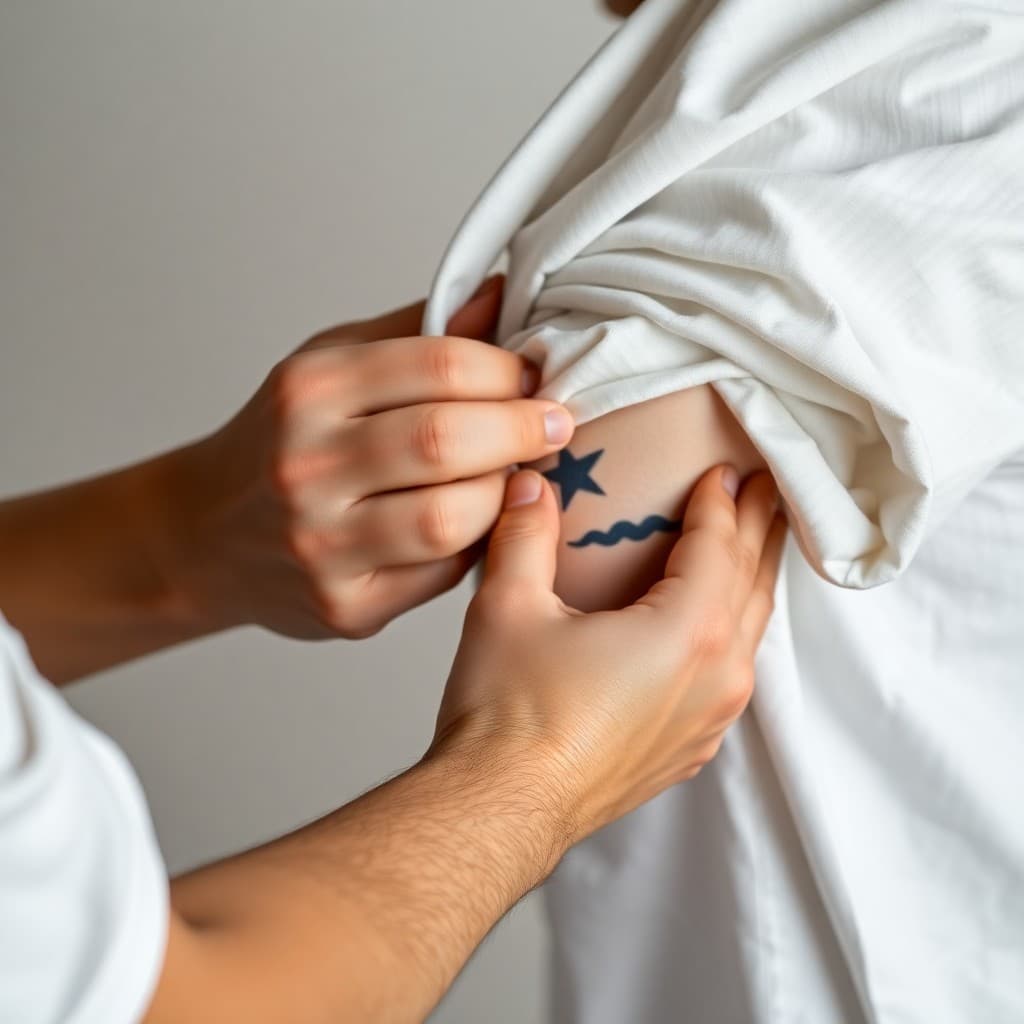
- Wear clean, loose, breathable clothing that covers the tattoo
- Position pillows strategically to prevent rolling onto the tattoo
- Keep the room slightly cool to reduce sweating
- Have clean towels nearby in case of unexpected oozing
The "Wet" vs. "Dry" Healing Debate
Some artists recommend leaving the bandage on overnight; others prefer it off. Here's how to decide:
Keep the bandage on if:
- Your artist specifically instructed it
- The tattoo is large or in a high-friction area
- You're a restless sleeper who moves constantly
Remove the bandage if:
- Your artist gave the okay for early removal
- The bandage is saturated and uncomfortable
- You have sensitive skin prone to reactions from adhesive
The key is following your artist's specific instructions—they know your skin type and tattoo details best.
Best Sleep Positions by Tattoo Location
Where your tattoo is located determines how you should sleep. Different body parts require different strategies to protect the healing skin while maintaining comfort.
Back Tattoos: The Challenge of Lying Down
Back tattoos are among the trickiest to sleep with because your natural sleep position may be directly on the affected area.
Side sleeping workaround:
- Sleep on your side with a pillow between your knees for spinal alignment
- Use additional pillows to prevent rolling onto your back
- Consider a pregnancy/body pillow that wraps around you
Stomach sleeping option:
- If you're normally a stomach sleeper, this might be your best bet
- Use a thin pillow or no pillow to reduce neck strain
- Place a pillow under your hips for lower back comfort
Pro tip: Back tattoos often ooze the most plasma. Sleep on dark-colored sheets you don't mind staining, and place a clean towel underneath you as extra protection.
Chest and Rib Tattoos: Protecting Sensitive Areas
Chest tattoos require avoiding pressure on the sternum and ribs, while rib tattoos are notoriously painful and need special care.
For chest tattoos:
- Sleep elevated at 30-45 degrees using multiple pillows or a wedge
- This reduces both pressure and swelling
- Side sleeping works if you can avoid rolling onto the tattooed side
For rib tattoos:
- These are often the most uncomfortable to sleep with
- Sleep on the opposite side with a pillow supporting the tattooed side
- A body pillow can help maintain position throughout the night
Arm Tattoos: Sleeve Considerations
Arm tattoos range from small wrist pieces to full sleeves, each requiring different approaches.
Upper arm/shoulder:
- Sleep on the opposite side
- Use a pillow to prop the tattooed arm slightly away from your body
- Avoid sleeping with your arm under your head or pillow
Forearm tattoos:
- Keep the arm straight or slightly bent—avoid tight flexing
- Sleep on your back or opposite side
- Consider wearing a clean, loose long-sleeve shirt to prevent sheet contact
Full sleeves:
- These require the most adjustment since both arms may be affected
- Back sleeping with arm support is usually best
- Expect to sleep poorly for the first few nights—it's temporary
Leg and Foot Tattoos: Elevation Matters
Lower body tattoos benefit significantly from elevation, which reduces swelling and throbbing.
Thigh tattoos:
- Sleep on your opposite side or back
- If on your back, place a pillow under the tattooed thigh for elevation
- Avoid tight pants or bedding that presses against the area
Calf and ankle tattoos:
- Elevate the leg above heart level when possible
- Use pillows to prop the leg comfortably
- Side sleeping on the non-tattooed side works well
Foot tattoos:
- These are particularly prone to swelling
- Prop the foot up on multiple pillows
- Sleep on your back or side to keep the foot elevated
Bedding and Clothing Recommendations
What touches your tattoo while you sleep matters as much as how you position yourself. The wrong fabrics can stick, irritate, or introduce bacteria.
Best Fabrics for Tattoo Protection
For sheets:
- 100% cotton: Breathable, soft, least likely to cause friction
- Bamboo: Naturally antimicrobial, moisture-wicking, very soft
- Microfiber: Smooth surface reduces snagging (but less breathable)
Avoid:
- Rough fabrics like linen or low-thread-count polyester
- Wool or fuzzy materials that can catch on healing skin
- Dark dyed fabrics that might transfer color to oozing tattoos
For sleepwear:
- Clean, loose cotton t-shirts or tank tops
- Breathable cotton or bamboo pajama pants
- Avoid silk or satin (too slippery, can cause friction)
 Clean bedding for tattoo aftercare
The "Clean Sheets" Rule
This cannot be emphasized enough: sleep on clean sheets. Your bed harbors bacteria, dead skin cells, and oils even when it looks clean. With a fresh tattoo, you're essentially creating an open pathway for these contaminants.
Best practices:
- Put fresh, clean sheets on your bed before getting tattooed
- Change sheets again on night 2 or 3
- Use light-colored sheets so you can monitor any unusual discharge
- Keep pets out of your bed during the healing period
Temperature and Humidity Considerations
Your sleep environment affects healing more than you might think.
Temperature:
- Keep the room cool (65-68°F / 18-20°C)
- Overheating causes sweating, which can irritate tattoos
- Use a fan for air circulation, but don't point it directly at the tattoo
Humidity:
- Very dry air can cause tattoos to dry out and crack
- Very humid air promotes bacterial growth
- Aim for 40-50% humidity if possible
- A light, clean humidifier can help in dry climates
 Proper clothing for sleeping with new tattoo
Managing Sticking to Sheets and Pillows
The most dreaded first-night scenario: waking up stuck to your bedding. This happens when plasma and ink dry, creating a bond between your tattoo and fabric. Ripping free damages the healing layer and can pull out ink.
Prevention Strategies
Keep the tattoo moist:
- Don't let the tattoo dry out completely before bed
- A thin layer of ointment creates a barrier between skin and fabric
- Reapply if you wake up during the night and it feels dry
Use protective layers:
- Place a clean, thin cotton cloth between the tattoo and your sheets
- For very large tattoos, consider wrapping loosely in clean gauze
- Some people use Tegaderm or Saniderm (second skin) for the first few nights
Timing matters:
- The first 2-3 nights are highest risk for sticking
- By night 4-5, the tattoo has usually formed enough of a protective layer
What to Do If You Get Stuck
If you wake up stuck to your bedding, do not pull away. This will damage the tattoo.
The safe removal method:
- Wet the area with warm (not hot) water
- Use a clean cloth soaked in warm water to gently dampen where you're stuck
- Wait 1-2 minutes for the plasma to rehydrate
- Gently peel the fabric away, never pulling sharply
- If it still resists, apply more water and wait longer
After removal:
- Gently wash the tattoo with antibacterial soap
- Check for any areas where ink may have pulled away
- Apply fresh ointment
- Contact your artist if you see significant damage
Second Skin Options: Tegaderm and Saniderm
Many modern tattoo artists now use "second skin" products that can be left on for several days, including while sleeping.
Benefits:
- Prevents sticking to sheets entirely
- Creates a sterile healing environment
- Allows you to shower and sleep normally
- Reduces scabbing and peeling
Considerations:
- Not suitable for all skin types (some people react to the adhesive)
- Can be uncomfortable in hot weather
- Requires proper application to work correctly
If your artist uses second skin, follow their specific instructions for how long to keep it on and how to remove it.
Nighttime Aftercare Routine
 Nighttime tattoo ointment application
A consistent nighttime routine ensures your tattoo gets the care it needs during the critical overnight healing period.
The Complete Nighttime Routine
30 minutes before bed:
- Wash your hands thoroughly with antibacterial soap
- Gently cleanse the tattoo using lukewarm water and fragrance-free soap
- Pat dry completely with a clean paper towel—moisture breeds bacteria
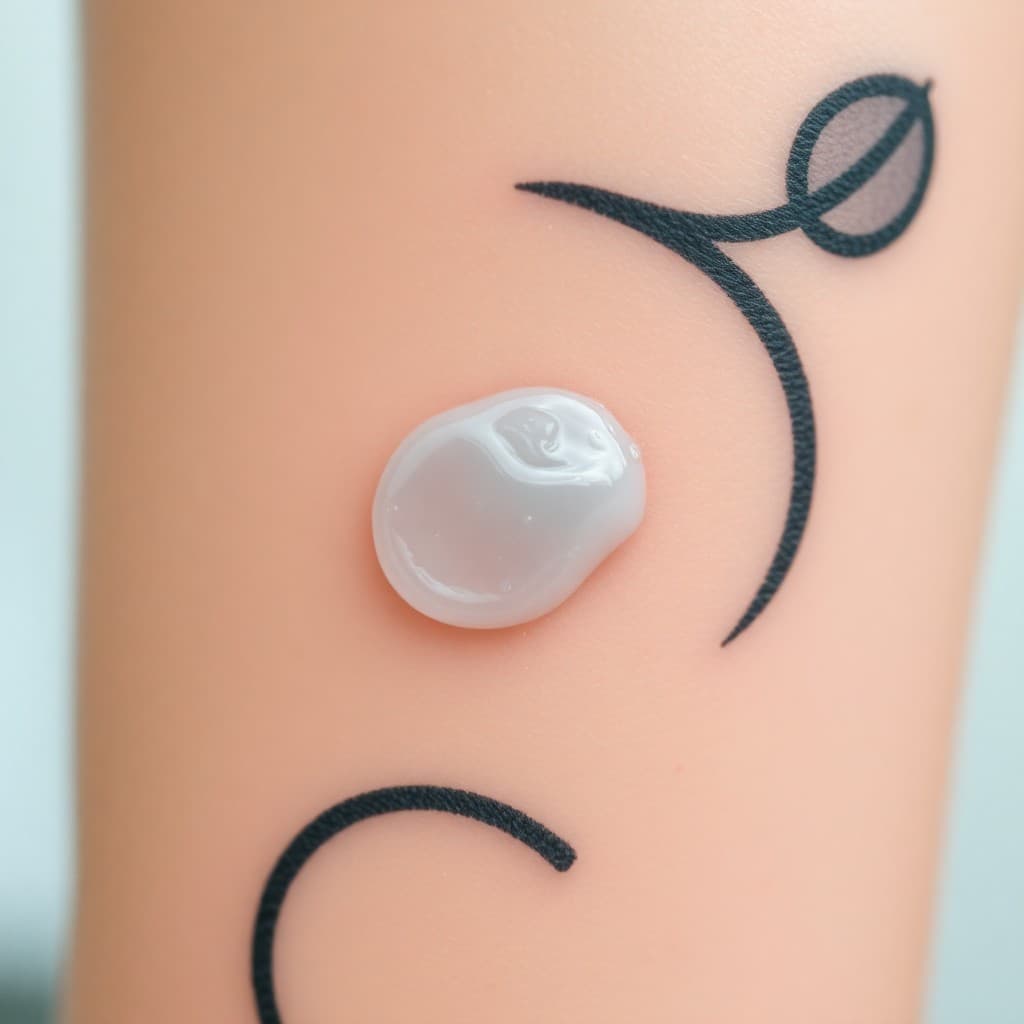
- Apply ointment in a thin, even layer—just enough to make it slightly shiny
- Wait 5-10 minutes to let the ointment absorb before putting on clothes
Just before sleep:
- Put on clean, loose sleepwear
- Arrange pillows for optimal positioning
- Set up any fans, humidifiers, or temperature controls
- Keep water nearby—hydration aids healing
Middle-of-the-Night Care
For the first 3-4 nights, you may need to wake up briefly for care:
If you wake up and the tattoo feels tight or dry:
- Apply a very thin layer of ointment
- Don't fully wake yourself—keep lights dim
- Wash hands before and after
If you notice significant oozing:
- Gently blot (don't wipe) with a clean paper towel
- Reapply ointment if needed
- Check that your sleep position isn't causing pressure
If you accidentally rolled onto the tattoo:
- Check for sticking before moving
- Assess for any damage in the morning
- Adjust your pillow setup to prevent it happening again
Adjusting Your Routine Through Healing Stages
Days 1-3 (Oozing phase):
- Maximum protection needed
- May require middle-of-the-night check-ins
- Ointment only, no lotion yet
Days 4-7 (Peeling begins):
- Transition from ointment to lotion
- Still need careful positioning
- Less middle-of-the-night care needed
Week 2+ (Peeling/healing):
- Switch to lotion only
- Normal sleep positions usually okay
- Continue clean sheets and loose clothing
For a detailed breakdown of what to expect during the peeling phase, see our tattoo peeling and scabbing guide.
Common Sleep-Related Mistakes to Avoid
Even well-meaning people make these sleep mistakes that can damage their tattoos. Here's what to avoid:
Mistake #1: Sleeping Directly on the Tattoo
The problem: Pressure disrupts healing, pushes out ink, and causes uneven healing.
The solution: Use pillows to maintain position. If you wake up on the tattoo, adjust and go back to sleep—don't panic, but try to prevent it next time.
Mistake #2: Using Too Much Ointment Before Bed
The problem: Thick layers trap bacteria, block oxygen, and create a sticky mess that adheres to sheets.
The solution: Apply a thin layer—just enough to make the tattoo slightly shiny. If you can see globs of ointment, you've used too much.
Mistake #3: Sleeping on Dirty Sheets
The problem: Beds harbor bacteria, dust mites, and oils that can cause infection or irritation.
The solution: Fresh sheets before your tattoo appointment and change them again within 2-3 days.
Mistake #4: Letting Pets Sleep in Bed
The problem: Pet fur, dander, and bacteria transfer easily to fresh tattoos. Pets may also accidentally step on or rub against healing ink.
The solution: Ban pets from your bed for at least the first week. It's temporary but important.
Mistake #5: Ignoring Signs of Infection Because You're Tired
The problem: Sleep deprivation from tattoo care can make you dismiss important warning signs.
The solution: Know the signs (excessive redness, warmth, pus, fever) and don't hesitate to contact your artist or a doctor if something seems wrong.
Mistake #6: Using the Wrong Pillow Setup
The problem: Too many pillows cause overheating; too few don't provide enough support or protection.
The solution: Experiment with different configurations. Body pillows and pregnancy pillows are excellent for maintaining sleep positions.
Mistake #7: Drinking Alcohol to Help Sleep
The problem: Alcohol thins your blood, increases bleeding and oozing, dehydrates your skin, and can lead to poor sleep quality.
The solution: Avoid alcohol for at least 48 hours after getting tattooed. Use natural sleep aids like magnesium or chamomile tea instead.
Frequently Asked Questions About Sleeping With New Tattoos
How many nights should I worry about sleeping on my tattoo?
Answer: The first 3-4 nights are the most critical, as this is when plasma oozing is heaviest and the tattoo is most vulnerable. By nights 5-7, most tattoos have formed enough protective layers that normal sleep positions are less risky. However, avoid direct pressure on the tattoo for at least 2 weeks to ensure the best healing outcome.
Can I use a sleep tracker or smartwatch with a new wrist tattoo?
Answer: It's best to avoid wearing anything tight on or near a fresh tattoo. Sleep trackers, watches, and fitness bands can cause friction, trap moisture, and irritate healing skin. Wait until the tattoo is fully healed (4-6 weeks) before wearing these devices on the tattooed area.
What if I'm a stomach sleeper and got a chest tattoo?
Answer: This is one of the most challenging combinations. Your best options are: (1) Train yourself to side-sleep using body pillows for support, (2) Sleep elevated on your back at 45 degrees using a wedge pillow, or (3) Accept that you'll have some disrupted sleep for a week while avoiding the tattoo area. The discomfort is temporary but protecting the tattoo is worth it.
Is it okay to use a weighted blanket with a new tattoo?
Answer: Avoid weighted blankets if they put pressure on the tattooed area. The weight can press ink out, cause uneven healing, and increase discomfort. If your tattoo is on your arm or leg, you can use a weighted blanket on your torso only. For back or chest tattoos, skip the weighted blanket for 2-3 weeks.
Why does my tattoo itch more at night?
Answer: Nighttime itching is common for several reasons: your body temperature rises during sleep, increasing blood flow to the area; you're less distracted by daytime activities, making you more aware of sensations; and the healing process itself causes itching as new skin forms. Keep nails trimmed, resist scratching, and use cool compresses if needed. Learn more about managing the peeling phase in our detailed peeling guide.
Conclusion: Rest Easy, Heal Properly
Getting a good night's sleep with a new tattoo requires preparation, the right positioning, and a consistent routine—but it's absolutely achievable. The first few nights may feel awkward and uncomfortable, but remember: this temporary inconvenience protects your permanent art.
Key takeaways for sleeping with a new tattoo:
- Prepare before bed: Clean sheets, loose clothing, proper pillows
- Position strategically: Avoid direct pressure on the tattoo
- Protect against sticking: Use appropriate ointment and consider protective layers
- Maintain your routine: Consistent nighttime care leads to better healing
- Be patient: Disrupted sleep is temporary; tattoo damage is permanent
The effort you put into protecting your tattoo while you sleep pays off for decades. A well-healed tattoo maintains its vibrancy, sharp lines, and detail—while a poorly healed one may require expensive touch-ups or cover-ups.
Your tattoo artist gave you art that will last a lifetime. Use these sleep strategies to make sure it looks as good in 20 years as it does today.
Planning your next tattoo? Before you book that appointment, visualize your perfect design with our AI Tattoo Generator. Experiment with different styles, placements, and concepts to refine your idea before committing to the needle.
For the complete day-by-day healing routine beyond sleep, don't miss our complete tattoo aftercare guide which pairs perfectly with this sleep guide.