 Francesco Chiaramonte
Introduction
Memorial tattoos are among the most meaningful tattoos you can get. They preserve a face, a moment, or a memory—and they deserve careful planning. If you're considering a memorial tattoo from a photo, this guide walks you through how to choose the right image, pick a style that will age well, and collaborate with a tattoo artist for the best result.
If you want to see a quick preview first, try the photo to tattoo converter or start with our photo to tattoo guide.
Step 1: Choose the Right Photo
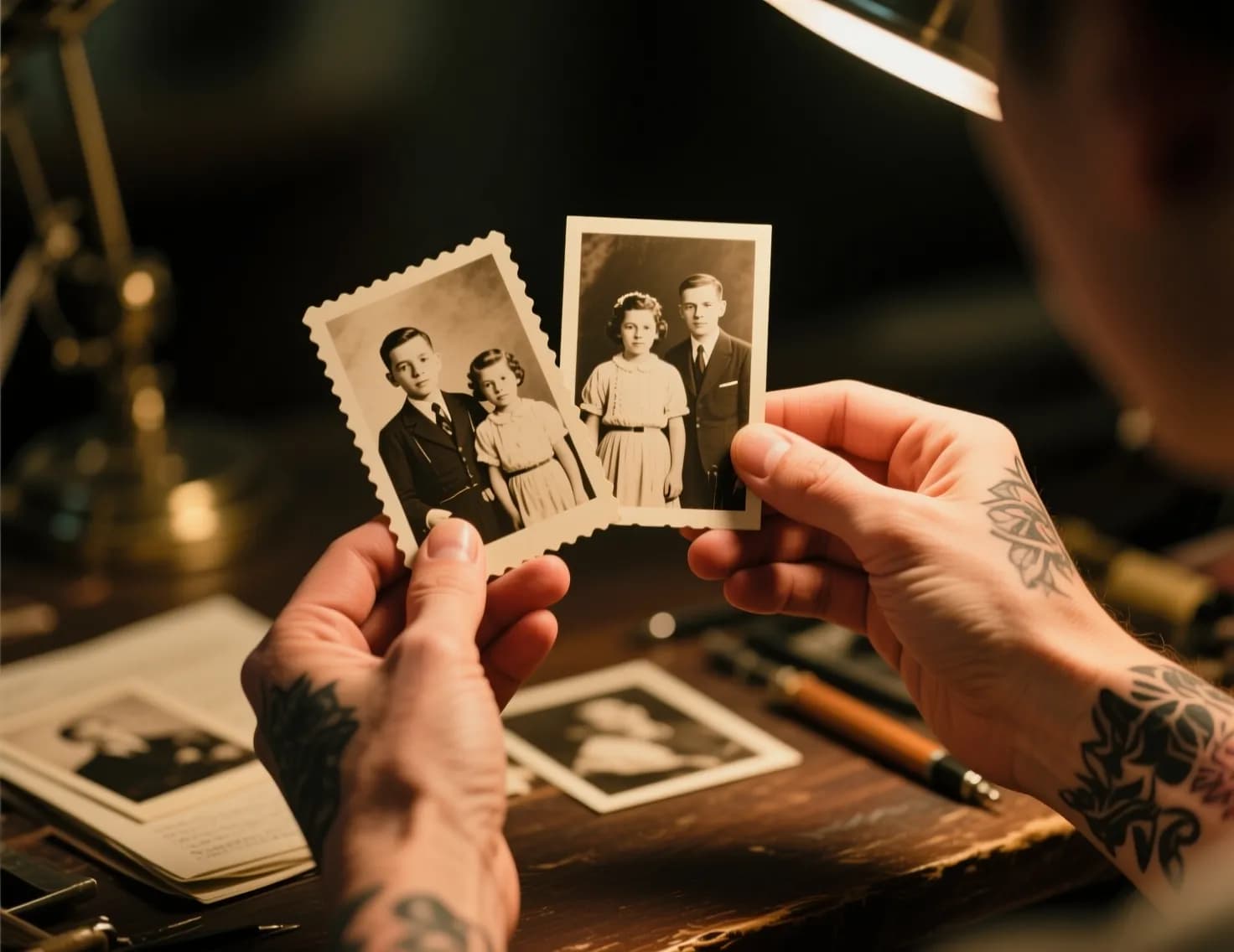 Selecting photos for memorial tattoo
The best memorial tattoos start with a high-quality, emotionally resonant photo. Look for:
- Clear lighting (no heavy shadows across the face)
- Sharp focus (avoid blurry or low-resolution images)
- Single subject (multiple people can confuse the tattoo design)
- A meaningful expression (the face you want to remember)
If the photo is old or damaged, consider restoring it first. A cleaned-up image makes the tattoo easier to translate and more accurate.
Step 2: Pick a Style That Ages Well
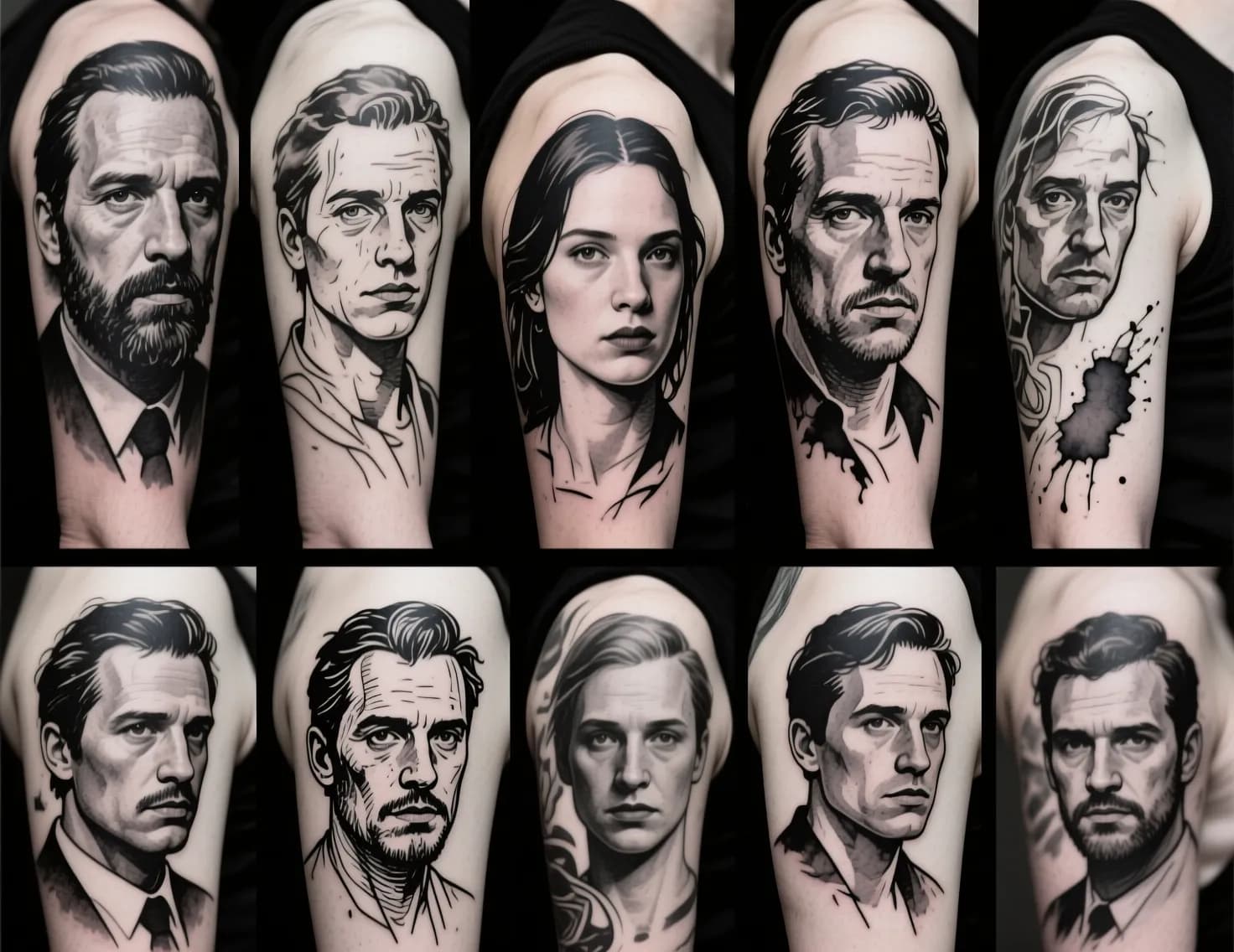 Different memorial tattoo styles
Different styles communicate memory in different ways:
Realism
The most accurate likeness, best for large pieces. Requires a highly skilled portrait artist.
Black & Grey
Classic memorial style with softer shading and excellent longevity.
Fine Line
Subtle and minimal. Great for small tattoos, but less detailed.
Sketch / Linework
Stylized interpretations for a more artistic tribute.
If you're unsure, read best portrait tattoo styles to compare each option.
Step 3: Use AI to Test Your Concept
Before you book, create a mockup. AI can help you validate the design and style before your artist commits ink to skin.
- Use the Image to Tattoo Converter to see a stencil-ready version.
- Use the AI Tattoo Generator to explore alternative compositions or backgrounds.
This doesn't replace a professional artist—it helps you arrive with clarity.
Step 4: Plan Placement and Size
Portrait tattoos need room for detail. Small portraits can lose likeness over time. A general rule:
- Realism portraits: 4–6 inches minimum
- Black & grey: 3–5 inches minimum
- Fine line: can go smaller, but must be crisp
Common placements:
- Upper arm / shoulder
- Chest or upper back
- Forearm (if you want visibility)
Step 5: Find the Right Artist
This step matters more than any tool. Always look for an artist whose portfolio includes portrait tattoos, not just general blackwork.
Checklist:
- 10+ portrait examples in their portfolio
- Healed photos (not just fresh tattoos)
- Clean, consistent shading
- Good reviews for portrait work
Don't be afraid to wait for the right artist. Memorial tattoos are forever.
Tips for Working With Your Artist
Bring:
- The original photo
- Your preferred style references
- A mockup from the photo to tattoo converter
Ask:
- What size do you recommend for this photo?
- What elements might need simplification?
- Can we tweak the background or framing?
Memorial Tattoo Ideas (Beyond Faces)
A memorial tattoo doesn't have to be a portrait. Other options:
- A handwritten note in their handwriting
- A favorite object (watch, flower, guitar)
- Coordinates of a meaningful place
- A pet portrait (see pet portrait tattoos guide)
Final Thoughts
Memorial tattoos are personal and powerful. The key is clarity: a good photo, a style that ages well, and a portrait artist you trust.
If you want a safe first step, generate a preview with the photo to tattoo converter, then refine it with a professional tattoo artist.