 Francesco Chiaramonte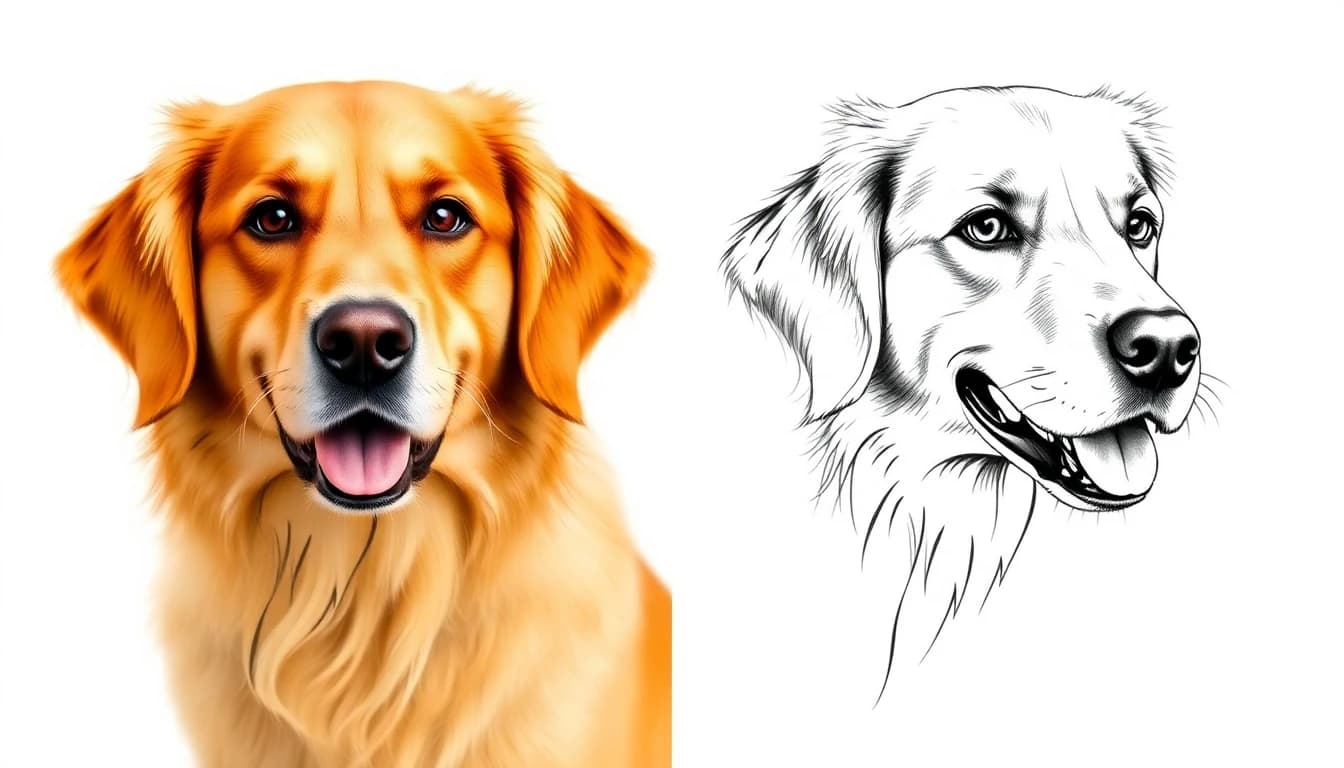
Image-to-tattoo tools do not all solve the same job. Some reinterpret a photo into tattoo-style artwork. Some extract stencil-like linework. Others place an existing design on a body photo. Choosing the right category matters more than choosing the most famous tool.
Ink Studio AI publishes this guide and is an interested party. Claims below link to current product pages and were checked on August 29, 2026.
Choose by input and output
| Your input | Desired output | Start with |
|---|---|---|
| Pet, portrait, object, or artwork | A stylized tattoo concept | Ink Studio AI Image to Tattoo |
| Finished design | Cleaner stencil reference | BlackInk AI or a local threshold converter |
| Existing tattoo to cover | New directions around the old shape | MyInk.ai or BlackInk AI |
| Finished concept plus body photo | Placement conversation | A dedicated try-on tool |
| Mixed references and labels | Printable mood board | Canva |
Ink Studio AI: best for guided style conversion
The Image to Tattoo workflow accepts a photo or artwork and reinterprets it using a selected tattoo direction. It is useful for pet portraits, memorial imagery, objects, and sketches where the subject should remain recognizable while the visual language changes.
The result is a concept reference, not a tattoo-ready stencil. Faces, paws, hands, lettering, and small details need close inspection. Paid access includes a limited allowance of Premium credits for these compute-intensive conversions.
BlackInk AI: best for a broader conversion toolkit
BlackInk AI’s paid plan advertises an image-to-stencil converter, remixing, 4× downloads, placement templates, and cover-up or filler workflows. That is a stronger fit when the task extends beyond one style conversion into an ongoing planning toolkit.
Its subscription currently begins at $15 monthly, while the free tier is limited. Review its license if you are a tattoo professional: the current terms distinguish personal from commercial use.
MyInk.ai: best for guided rounds and handoff
MyInk.ai advertises four-direction creative rounds, try-on, cover-up directions, and an artist-handoff workflow. It also offers small credit packs from $4.99 on the pricing page. This can suit someone who wants a structured brief rather than only a transformed image.
Canva and ChatGPT: best when editing is the real task
Canva is useful after generation: arrange several references, label the elements you like, test typography, and export a clean discussion board. ChatGPT Images supports conversational creation and editing from uploaded images, which is useful when the desired change is easier to describe in dialogue.
Neither product is a tattoo production system. Their strength is flexible visual communication.
How to prepare an image
Use the highest-resolution original you own. Crop distractions, keep the main subject well lit, and avoid screenshots with interface chrome. For portraits and pets, choose a frame where the eyes and important contours are clear. For a sketch, use even lighting and a plain background.
Then separate two questions:
- What must remain recognizable?
- What can the tattoo artist reinterpret?
That distinction produces a better brief than asking an image model to preserve everything.
What to take to an artist
Bring the original image, two or three generated directions, a note about intended placement and size, and a list of elements that are optional. Tell the artist the references were AI-assisted. Ask them to rebuild line weight, spacing, contrast, composition, and anatomy for your body.
Sources and deeper comparisons
Facts last verified August 29, 2026.